Senior care6 min read
The slow years: looking after an older dog
Stiff mornings, cloudy eyes and longer naps. What is normal ageing, what is not, and the small changes at home that make a real difference.
Words by Dr. Owen Adeyemi, Veterinarian
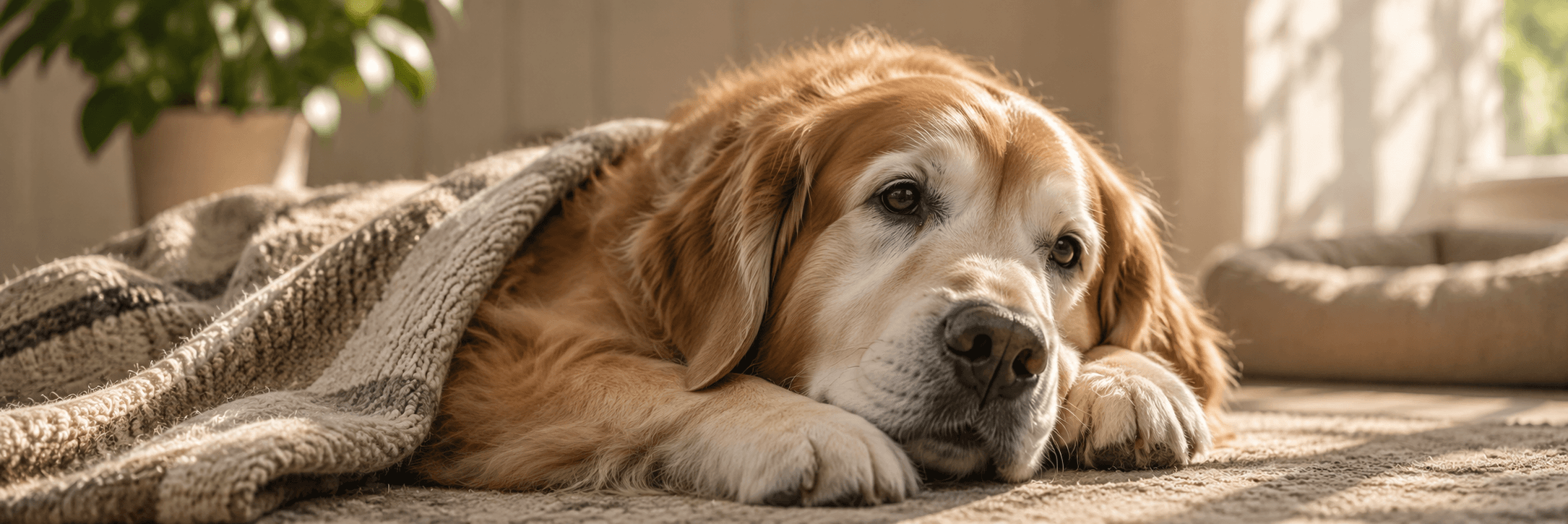
Dogs age quietly. One day you notice they wait at the bottom of the stairs, or that the walk has got shorter without anyone deciding it should. Larger breeds are considered senior from around seven, smaller dogs a year or two later.
Some changes are simply age. Many are not, and the difference matters, because the things that look like slowing down are often the ones we can treat.
Not just old age
- Stiffness after rest, hesitating at stairs or slipping on floors: usually arthritis, which is painful and very treatable.
- Drinking more: worth a blood and urine test.
- New lumps: most are harmless, but we can only tell by looking at the cells.
- Confusion, pacing at night or staring at walls: cognitive decline, which we can often slow.
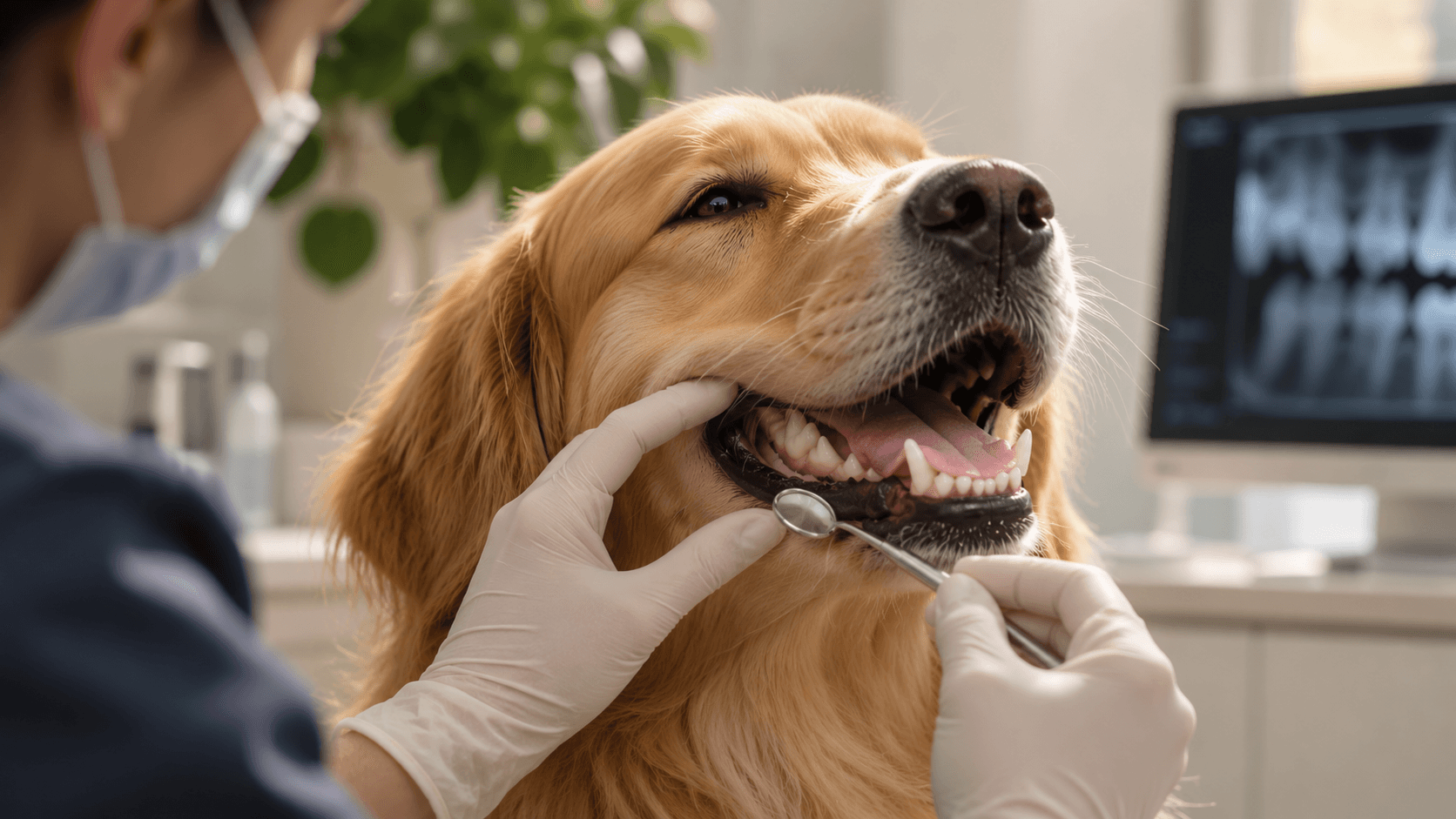
- Bad breath: dental pain, which older dogs are especially good at hiding.
Much of what looks like slowing down is pain, and pain is something we can do a great deal about.
Small changes at home
Rugs or runners on slippery floors. A raised bowl for a dog with a stiff neck. A ramp for the car. Two shorter walks instead of one long one. A thick, supportive bed somewhere warm and out of draughts. None of it is dramatic, and together it adds up.
How often to see us
We like to see older dogs every six months, for a longer appointment that includes a joint and pain assessment and, once a year, blood and urine tests. Six months is a long time in a senior dog's life, and the earlier we notice a change, the more we can do.
And when it is time to talk about quality of life, we will talk about it honestly and kindly, whenever you are ready.