Dental6 min read
Dental care is not optional: what we see every week
Broken teeth, sore gums and painful lesions that animals hide remarkably well. Why dental care matters more than it looks, and what helps at home.
Words by Dr. Priya Natarajan, Veterinarian
Every week we see animals whose owners had no idea they were in pain. It is not carelessness. Dogs and cats keep eating with sore mouths because they have to, and they are very good at not making a fuss.
By the age of three, most dogs and cats have some gum disease. Left alone, it does not stay in the mouth: the infection loosens teeth, wears away the bone around them and can make an animal quietly miserable for years.
What we see, most weeks
- Gum disease, red at the gumline and worse than it looks, because most of it is underneath.
- Broken teeth from chewing antlers, bones and stones. A broken tooth with the pulp exposed is painful and usually infected.
- Resorptive lesions in cats, where a tooth slowly dissolves from within. They are extremely common and very sore.
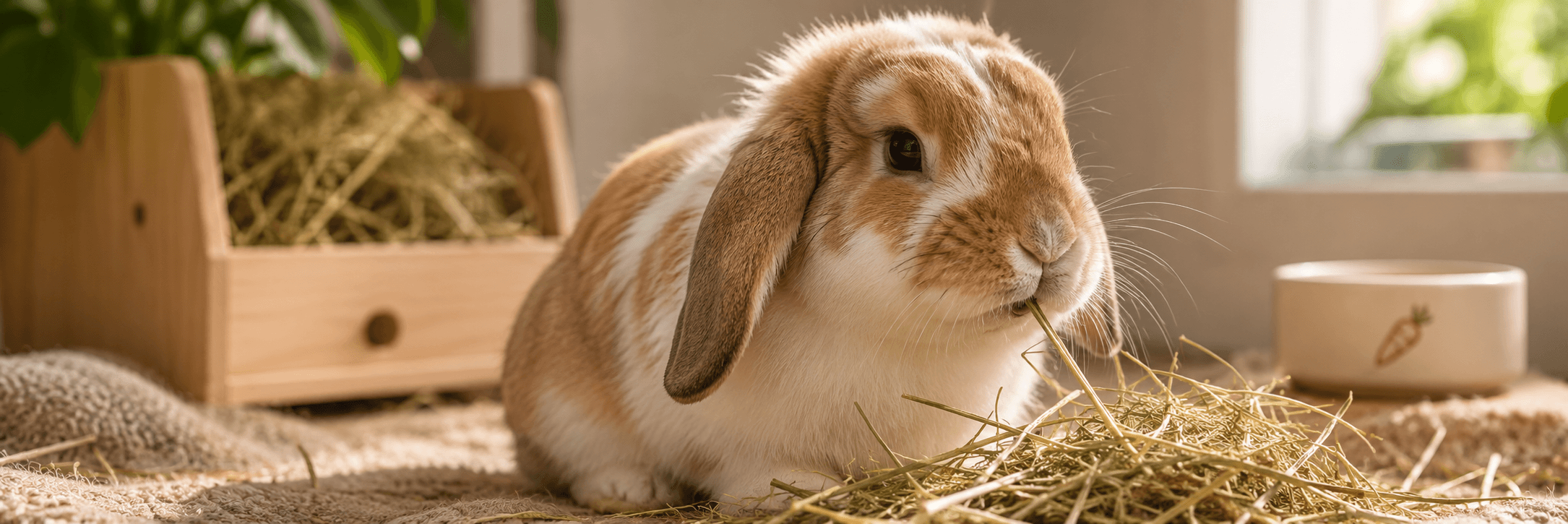
- Rabbits and guinea pigs with overgrown back teeth, usually because of diet.
The thing owners say most often after a dental is that their pet seems younger. That is what it usually looks like when pain stops.
Why it needs an anaesthetic
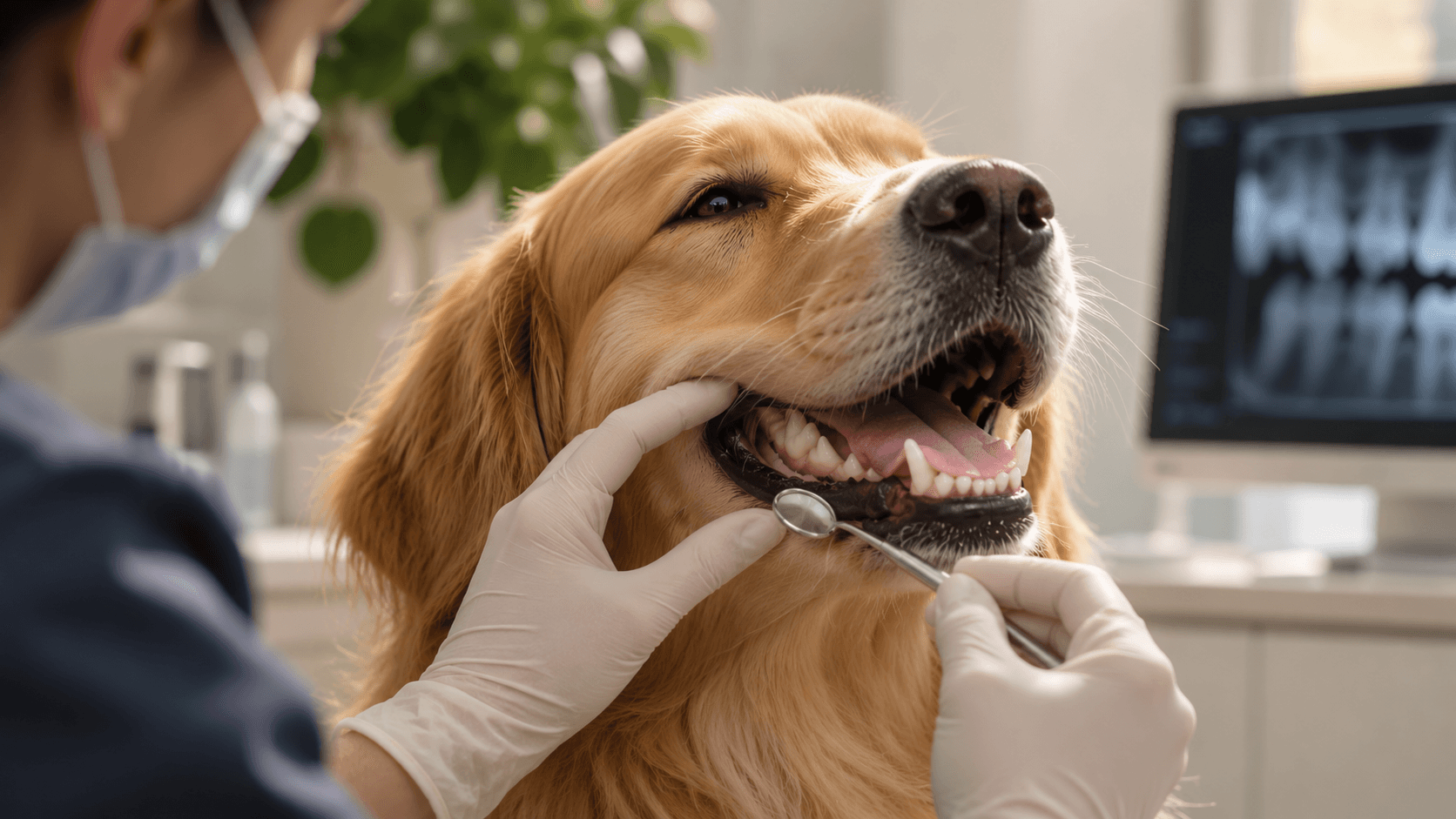
A proper clean happens under the gumline, where the disease is, and nobody holds still for that. Under anaesthetic we can clean every surface, chart each tooth and take X-rays, because around half of dental disease cannot be seen above the gum. Anaesthesia always carries some risk, which is why a nurse monitors every patient from start to finish and why we check older animals' bloods first.
What helps at home
Daily brushing is the single most useful thing you can do, and most dogs and many cats will accept it if you start slowly. Use pet toothpaste, never your own, and concentrate on the outside surfaces of the back teeth. Dental diets and chews help a little. Bones, antlers and stones mostly help us find broken teeth.
Signs worth booking a dental check for: bad breath, chewing on one side, dropping food, pawing at the mouth, or a pet who has gone off hard food. It is a thirty-minute appointment, and a much more comfortable life on the other side.